Chapter 02
Selection
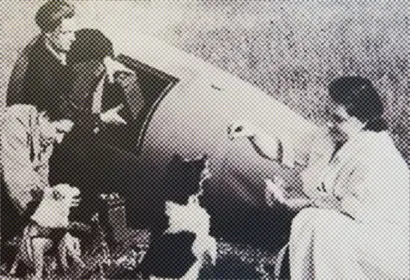
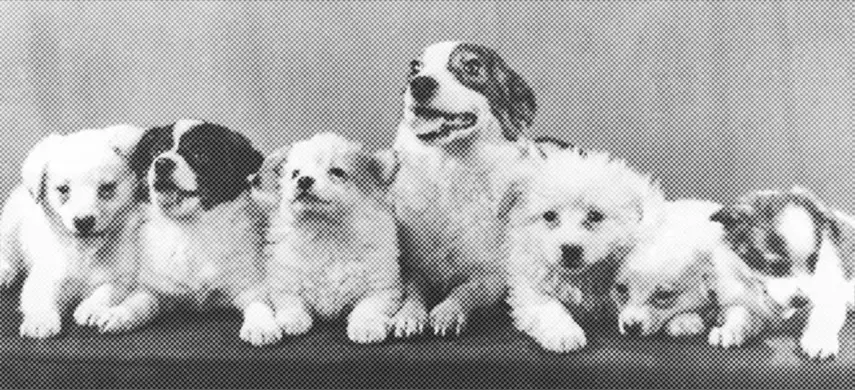
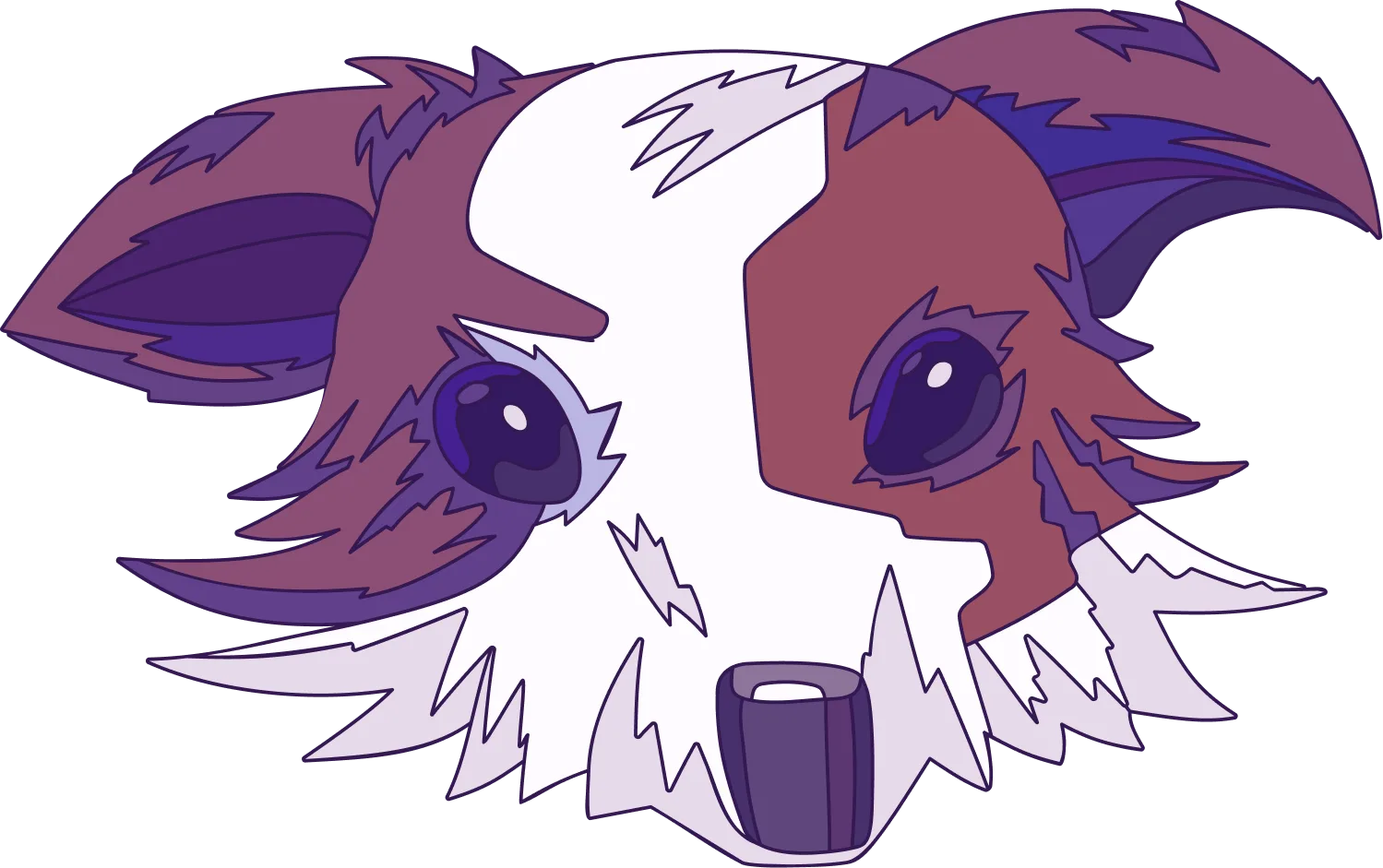
Before becoming part of space history, Belka and Strelka were ordinary dogs. They were selected to participate in the testing program — along with a dozen other dogs. The small animals tolerated stress and high loads the best.
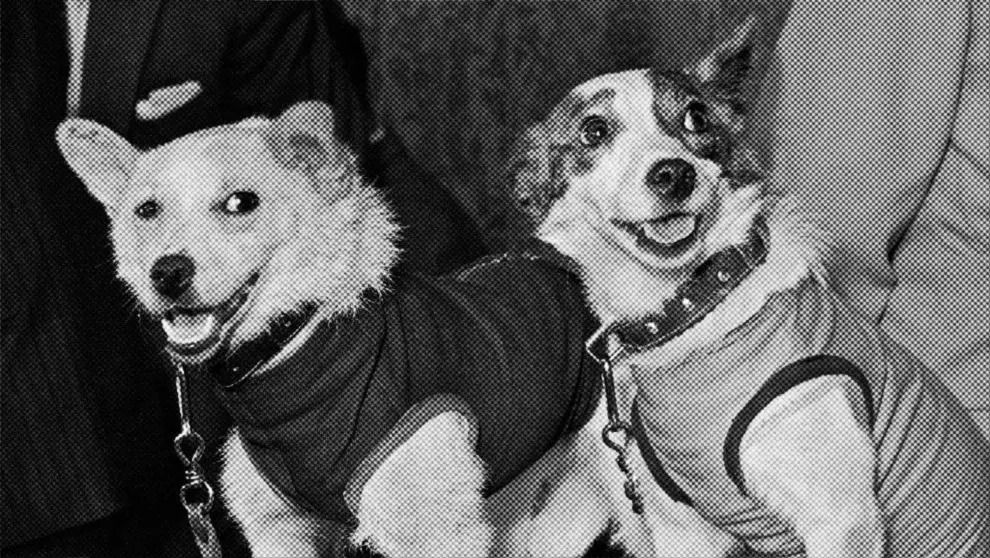
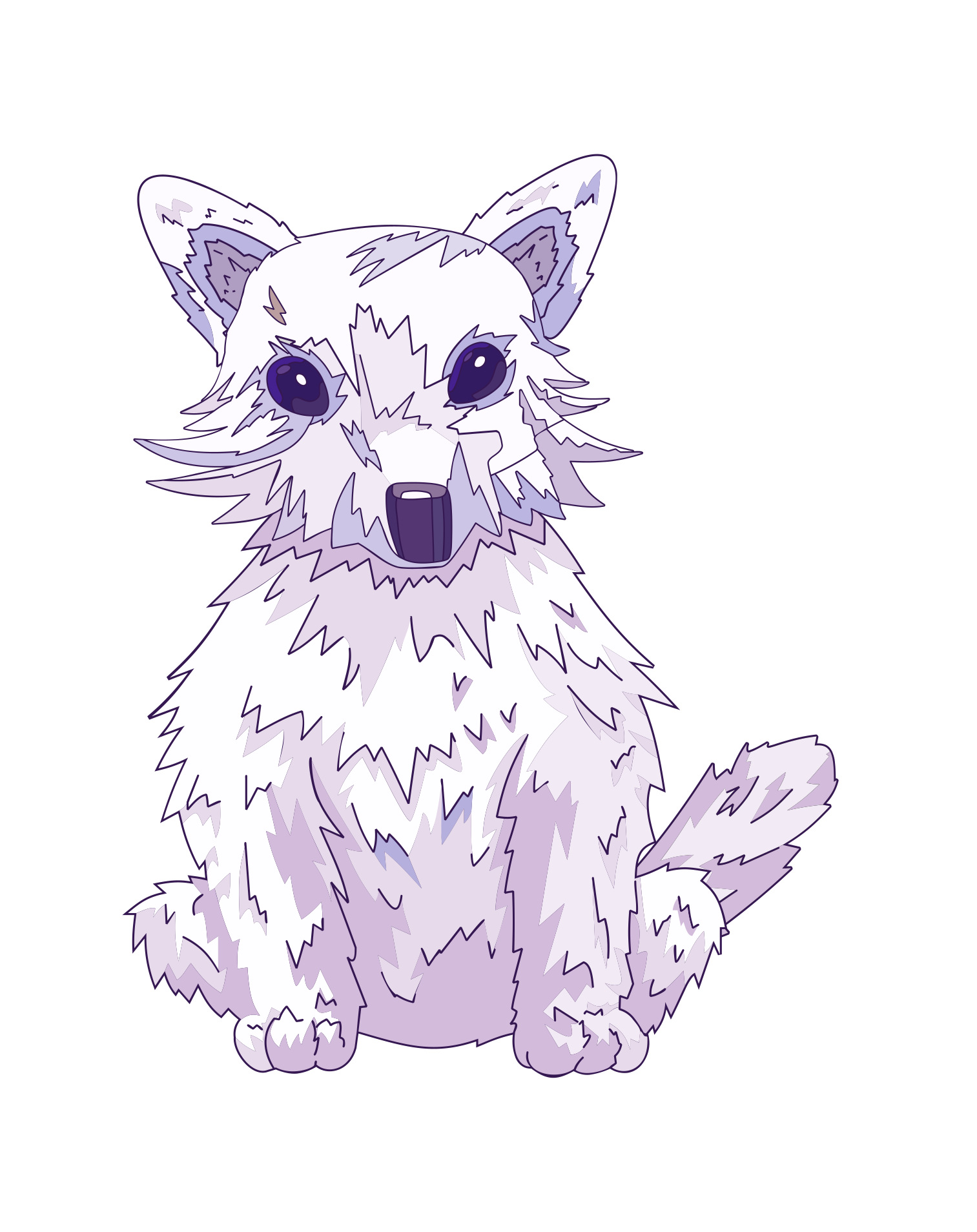
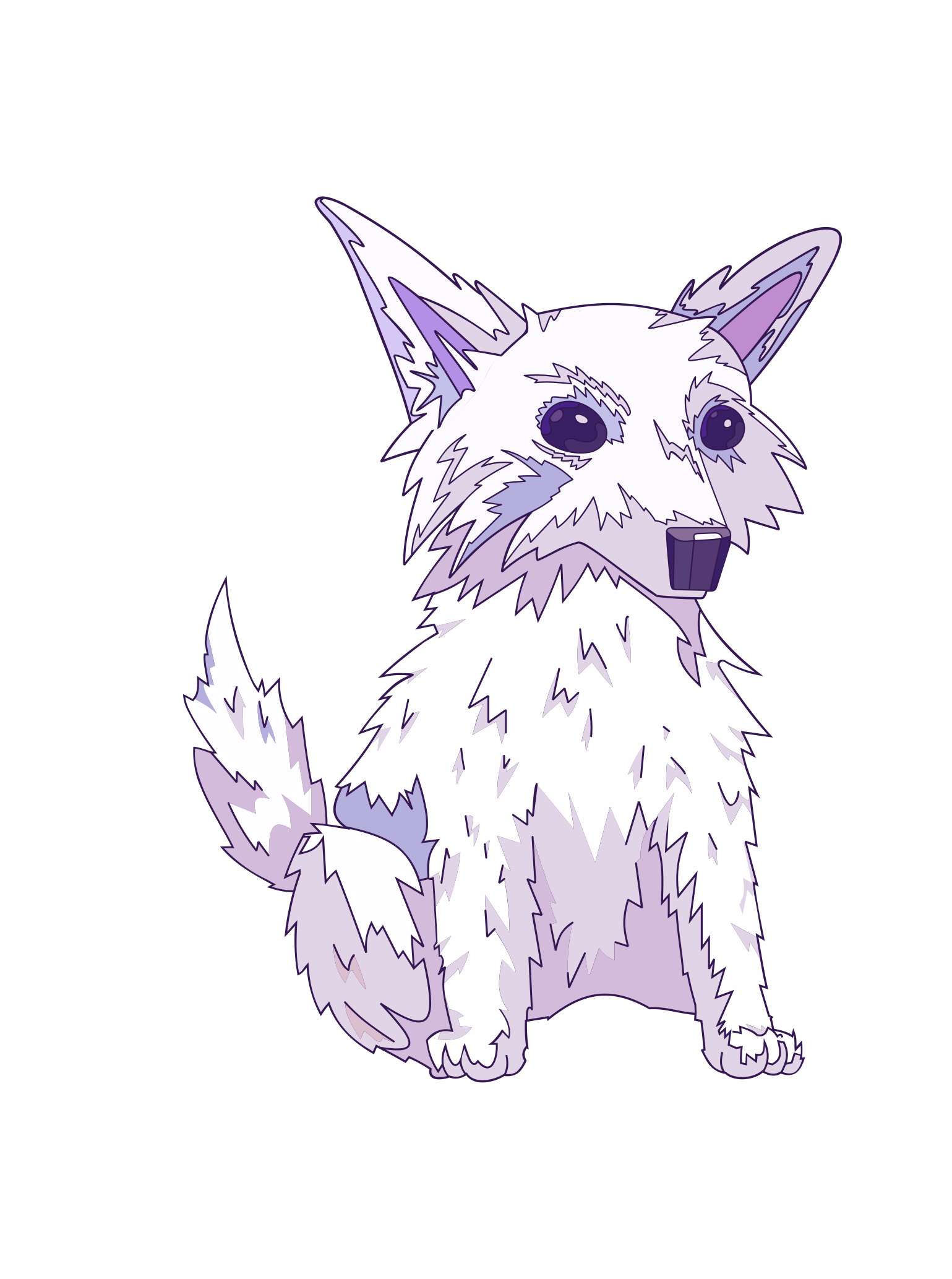
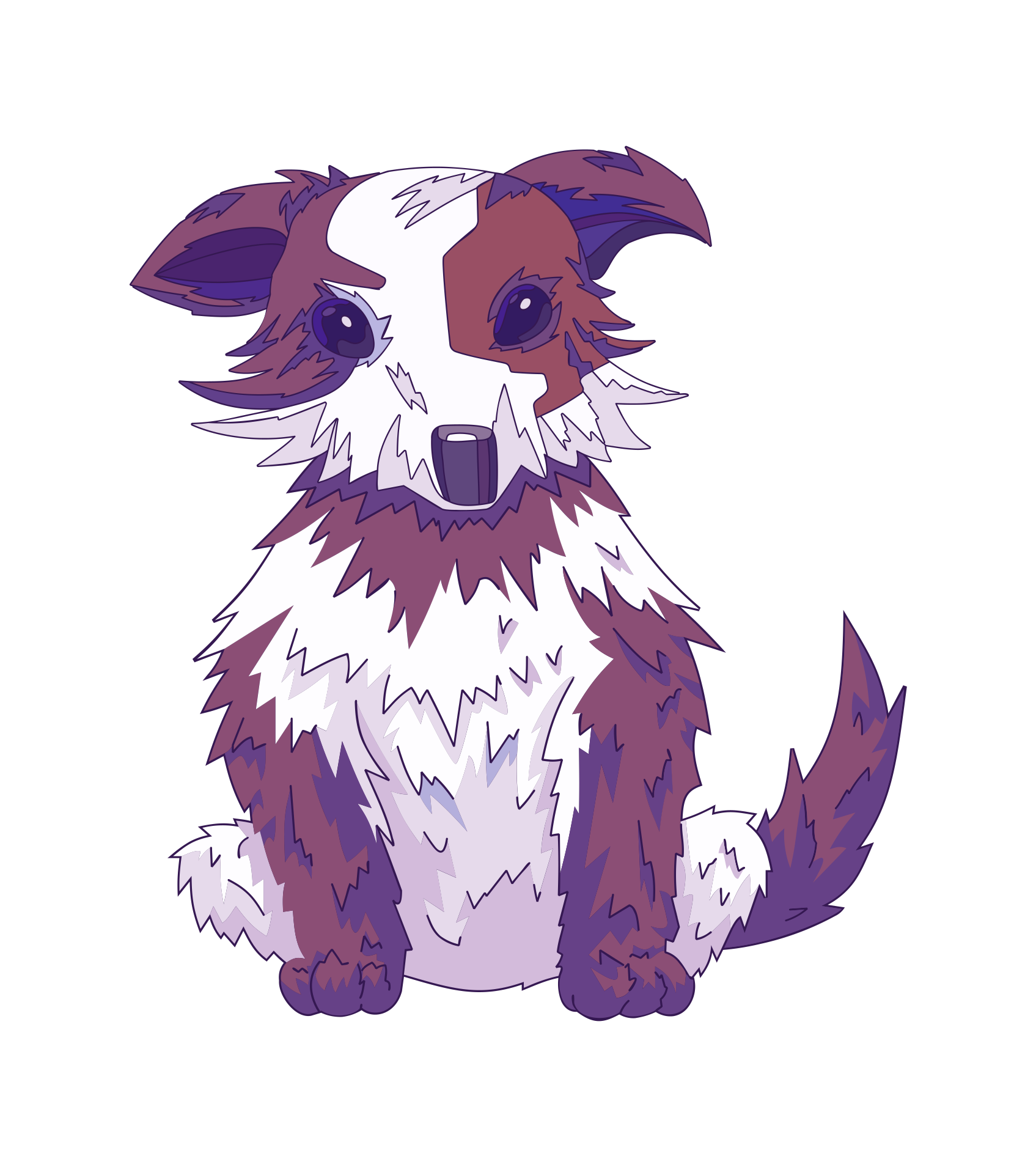
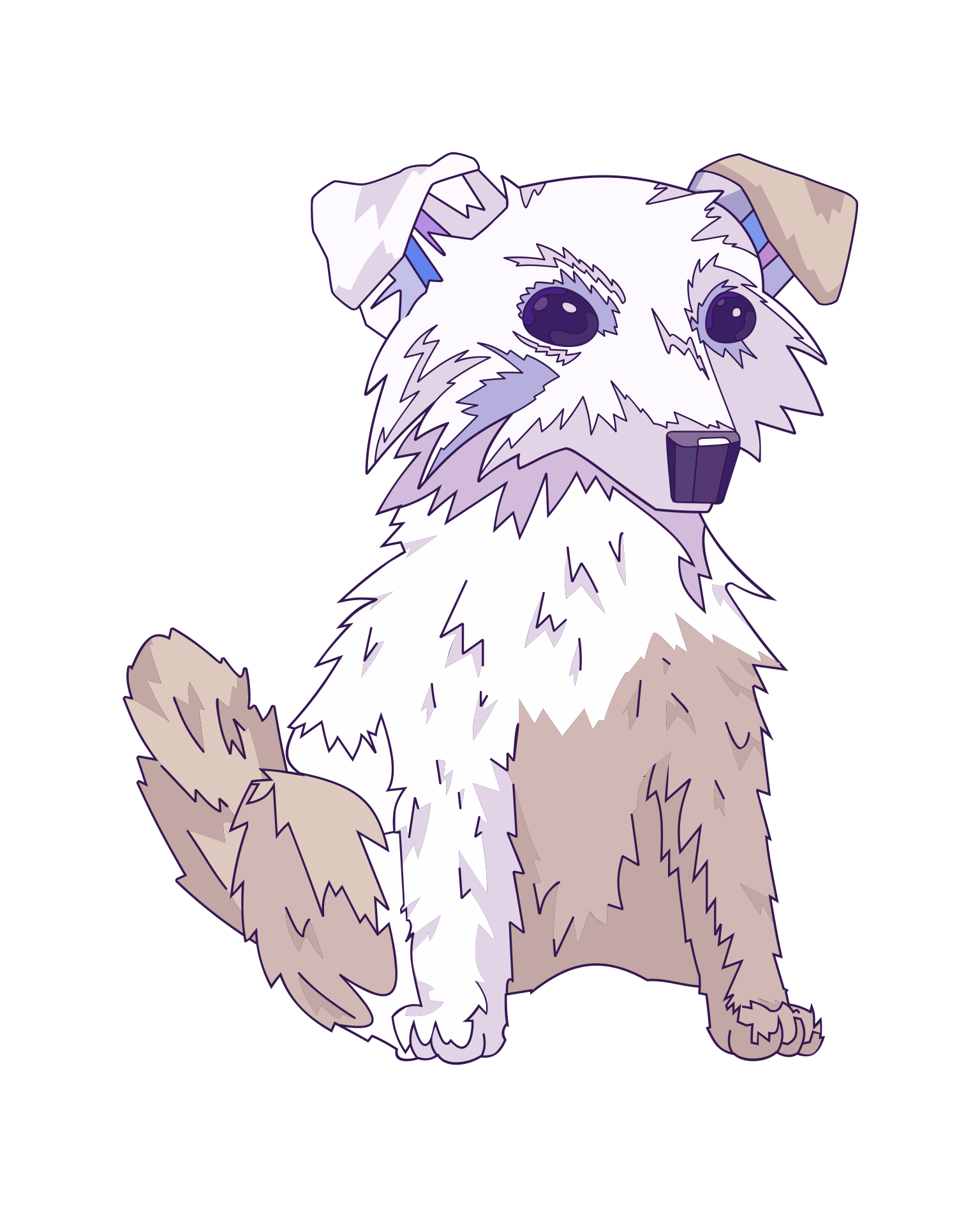
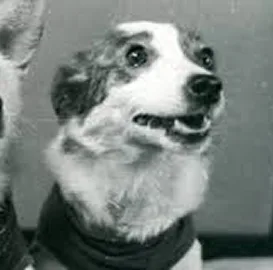
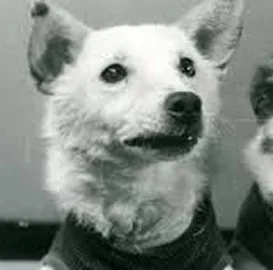
Belka became the team leader. She showed the best results in the trials, actively responded to changes in conditions, and learned to bark if something was wrong. Her activity and sociability became important criteria in the selection process.
Strelka, by contrast, was timid and somewhat quiet. However, she reacted calmly to stressful situations and did not lose her composure in difficult conditions. Despite her reserved nature, she remained friendly and did not display aggression.
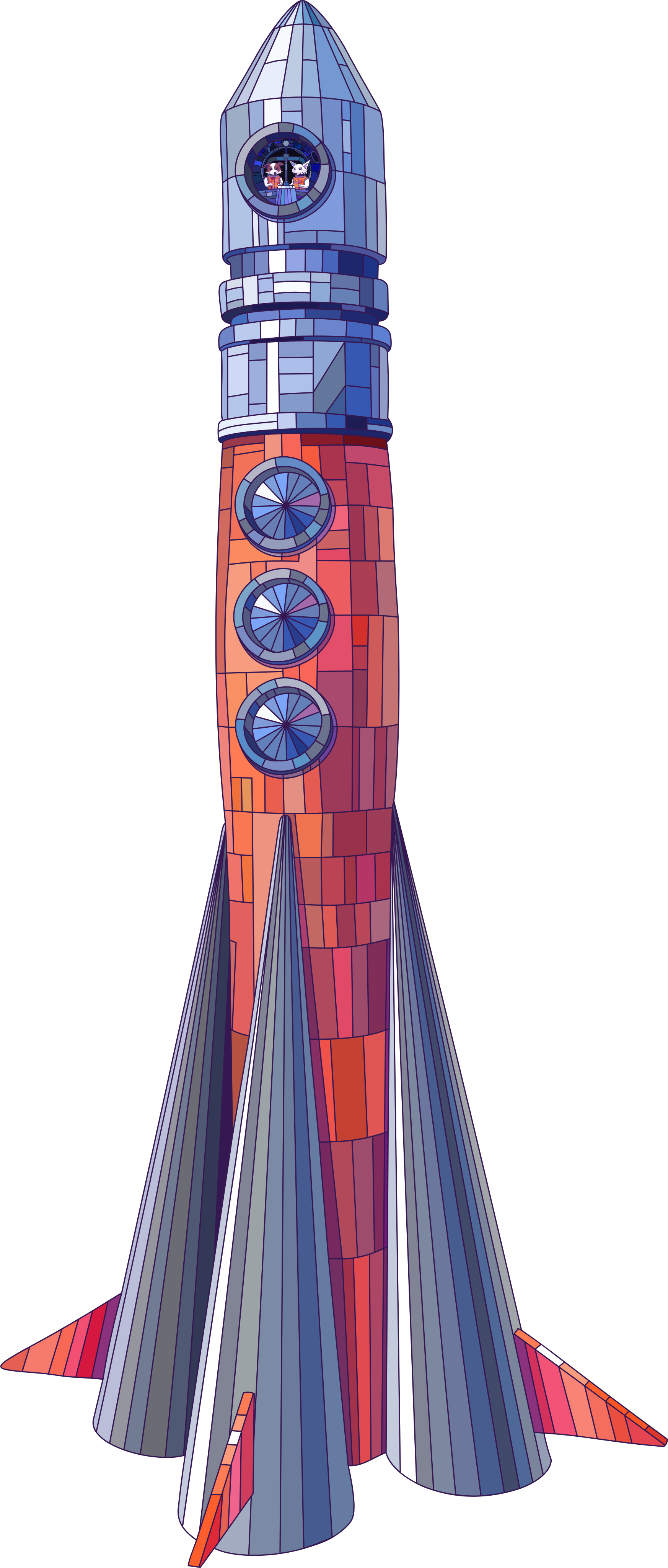


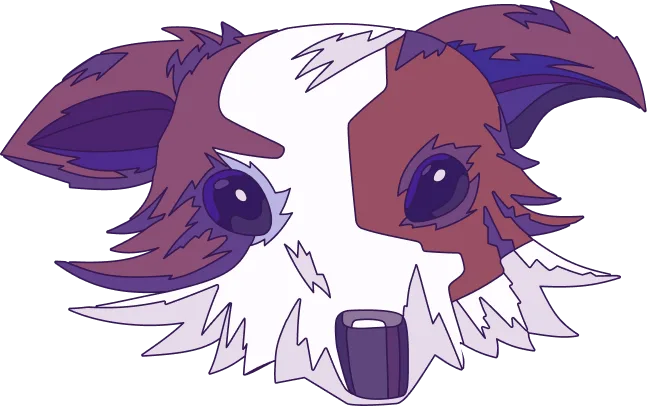
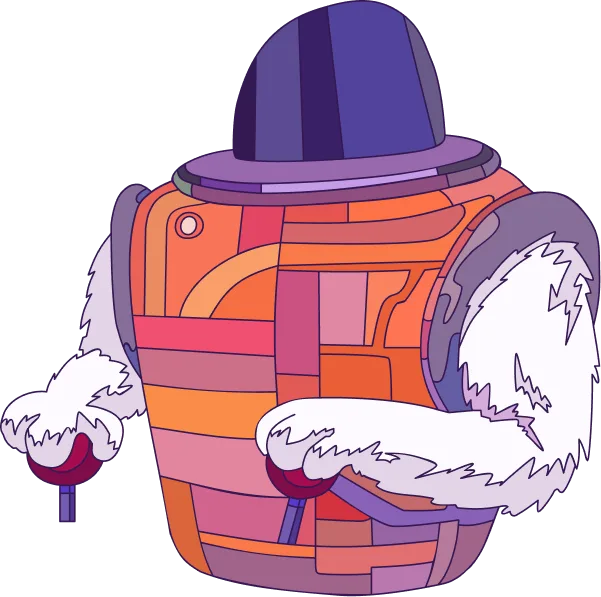
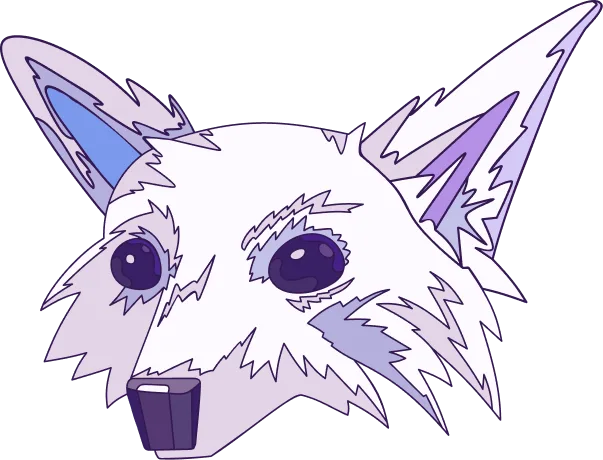






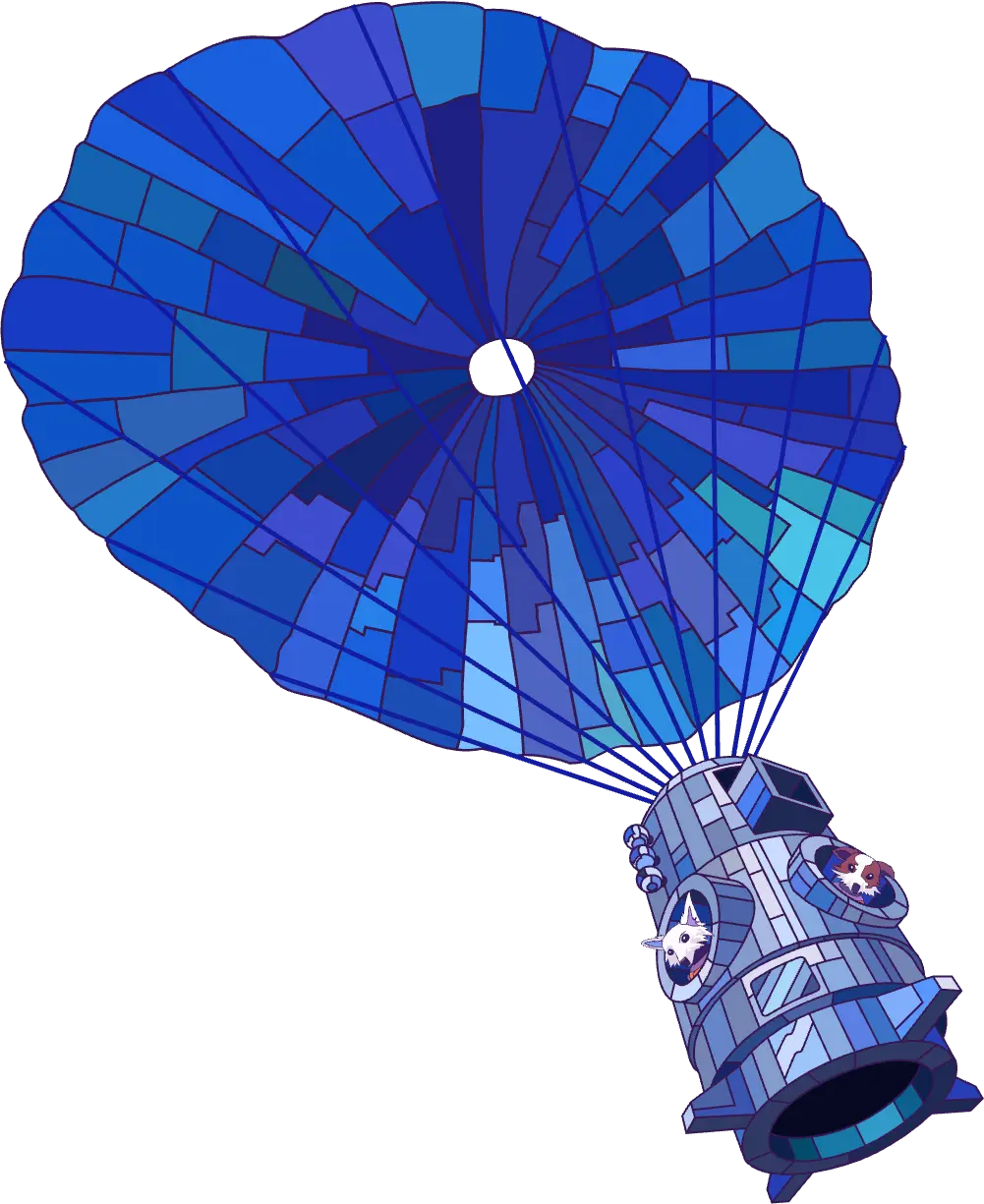
Less than a year later, on April 12, 1961, Yuri Gagarin would make the first human spaceflight in history. Strategically, this launch relied on the experience of four‑legged predecessors who had spent more than a day in orbit.
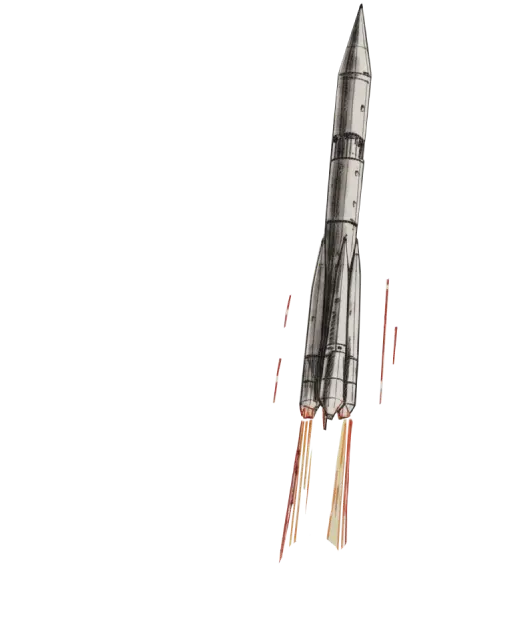
The daily orbital flight of Belka and Strelka was a scientific breakthrough. Medicine and science received the first practical data on the condition of the body in zero gravity. The data collected during this journey into orbit became the foundation for future space exploration.


;transform:translate(11.25px,11.25px)%20scaleX(1)%20scaleY(1)%20translate(-11.25px,-11.25px)}50%25{animation-timing-function:cubic-bezier(.5,0,.5,1);transform:translate(11.25px,11.25px)%20scaleX(.631)%20scaleY(.631)%20translate(-11.25px,-11.25px)}to{transform:translate(11.25px,11.25px)%20scaleX(1)%20scaleY(1)%20translate(-11.25px,-11.25px)}}svg{overflow:visible}%23Pulse_2{transform-origin:0%200;animation:kf_Pulse_2_transform_0%202s%20linear%20infinite}%3c/style%3e%3cg%20id='Pulse'%3e%3cpath%20id='Pulse_2'%20d='M17.1%2010.3c2.1-.2%204.4-.1%205.2.4.4.2.2%201.7-.4%201.7h-4.2q-.3%200-.5.5c-.4%201.3-1%202.4-1.4%204.3-.4%203-.8%205.3-1.9%205.3q-.9%200-3-8.3c-1.6-4.8-2.5-9.6-3-9.6s-2%206.4-2.5%207c-.7.5-4.8.4-5%20.2-.4-.2-.5-1.1-.2-1.4s2.6%200%203.8%200q.3%200%20.5-.5c.9-3.1%201.2-3.7%201.3-4C7.3.9%207.8%200%208.4%200c1%200%201%203.3%203.2%209.2%201.1%204.4%202%205.4%202.6%209.7h.2c.5-2.9%201.5-5%202-8q.2-.5.7-.6Z'%20stroke='%232F2921'/%3e%3c/g%3e%3c/svg%3e)
%20translateY(4.254px)%20translate(1.969px,5.681px)%20rotate(0rad)%20translate(-1.969px,-5.681px)}25.45%25{animation-timing-function:ease-out;transform:translateX(8.396px)%20translateY(4.254px)%20translate(1.969px,5.681px)%20rotate(-.408rad)%20translate(-1.969px,-5.681px)}74.2%25{animation-timing-function:ease-in-out;transform:translateX(8.396px)%20translateY(4.254px)%20translate(1.969px,5.681px)%20rotate(.433rad)%20translate(-1.969px,-5.681px)}to{transform:translateX(8.396px)%20translateY(4.254px)%20translate(1.969px,5.681px)%20rotate(0rad)%20translate(-1.969px,-5.681px)}}svg{overflow:visible}%23Vector_2{transform-origin:0%200;animation:kf_Vector_2_transform_0%202s%20linear%20infinite}%3c/style%3e%3cg%20id='Pressure'%3e%3cpath%20id='Vector'%20fill-rule='evenodd'%20clip-rule='evenodd'%20d='M3.3%202.4C4.3%201.5%206.4%200%2011%200c3%200%206%201.5%207.6%203C20.3%205%2021%207.7%2021%2010c0%202.3-.4%204.2-2%206a8%208%200%200%201-5.7%203.6c-.1%201.2-.4%201.7-1%202.4s-2.9.7-3.4.2q-1.1-1-1-2.7A9.4%209.4%200%200%201%200%2010.2c0-2.8%201-5.8%203.3-7.8Zm11.4%200A8%208%200%200%201%2017.4%204c.8.9%201.8%202.8%202%205v.1q-1%200-1.7.2-.4.4%200%20.8.2.3%201.7.3%200%201.4-.3%202c-.2.7-.9%201.9-1.4%202.5v.2c-.5.6-1%201.2-2.7%202.2q-.9.4-3.6.9l-.1-.1q0-1-.3-1.4-.6-.4-1%200-.3.4-.2%201.4a10%2010%200%200%201-5.5-2%208%208%200%200%201-2.7-5.5q1.5%200%201.7-.4.3-.6%200-.8-.7-.4-1.6-.3h-.1Q2%205.8%204.4%203.6l1.6-1q.1%200%20.3-.2c.6-.3%201.4-.7%203.4-.8q0%20.9.4%201.3t1%200q.3-.6.2-1.3%201.8%200%203.4.8Z'%20stroke='%232F2921'/%3e%3cpath%20id='Vector_2'%20transform='translate(8.39648%204.25391)'%20d='M3%204q-.4-.2-1-.2-1.9.1-2%201.9.2%201.7%202%201.9%201.8%200%202-2L4%204.9M3%204q.8-1%202-2L7%200c.7-.2%201.3.4.9.9-.8%201-2.8%202.8-4.1%204m-.9-1q.5.4.9%201'%20stroke='%232F2921'/%3e%3c/g%3e%3c/svg%3e)
;transform:translateX(2.963px)%20translateY(1.99px)%20translate(6.5px,0)%20scaleX(1)%20scaleY(1)%20translate(-6.5px,0)}50%25{animation-timing-function:cubic-bezier(.5,0,.5,1);transform:translateX(2.963px)%20translateY(1.99px)%20translate(6.5px,0)%20scaleX(.619)%20scaleY(.619)%20translate(-6.5px,0)}to{transform:translateX(2.963px)%20translateY(1.99px)%20translate(6.5px,0)%20scaleX(1)%20scaleY(1)%20translate(-6.5px,0)}}svg{overflow:visible}%23Vector_9{transform-origin:0%200;animation:kf_Vector_9_transform_0%202s%20linear%20infinite}%3c/style%3e%3cg%20id='Breath'%3e%3cpath%20id='Vector_8'%20d='M21.1%206c.4%200%20.5-.8%200-.8h-2.3c-.4%200-.5.8%200%201zM9.3%201.9h.8l6.5.1q.5%200%20.5.6l.1%206.6v5.1q0%20.9-.9%201H3.1a1%201%200%200%201-.9-1V2.4q0-.5.6-.5.9-.1%201.5-.1zm0-1.8L.9.1a1%201%200%200%200-.9%201v15.8q0%20.9%201%201h20.8q.6-.1.7-.7V1a1%201%200%200%200-1-1l-6%20.1c-2%20.2-3%200-4%200zm9.5%203.2c-.4%200-.5.8%200%20.9h2.4c.4-.2.4-1-.2-1h-1.2zm0%204.1H21c.4%200%20.5.7.1.9h-2.5c-.3%200-.4-.8%200-.9Zm.7%204h.9q.5.2.7.8%200%20.9-1%201t-1.1-.8q-.2-.9.5-1Z'%20stroke='%232F2921'/%3e%3cpath%20id='Vector_9'%20transform='translate(2.96289%201.99023)'%20d='m6%200%20.2%204.2q0%20.3-.6.5V2.8q.2-1.2-1.3-.7A6%206%200%200%200%20.5%205.6c-.9%202.2-.6%204.7.5%206q.8.7%201.5%200%20.6-.5%201.4-1.6l1.3-1.6.3-.6V7l-.1-1v-.3l1-.8h.1l1%20.8v2.1q0%20.3.2.5l2.8%203.4q.8.6%201.4%200a6%206%200%200%200%20.9-5C12%204%2010%202.1%208%202q-.7-.1-.7.6v2.1q-.5%200-.6-.5V0'%20stroke='%232F2921'/%3e%3c/g%3e%3c/svg%3e)